RTA proposes reforms to integrate fares, require accountability for faster and more reliable transit
February 5, 2025
February 5, 2025
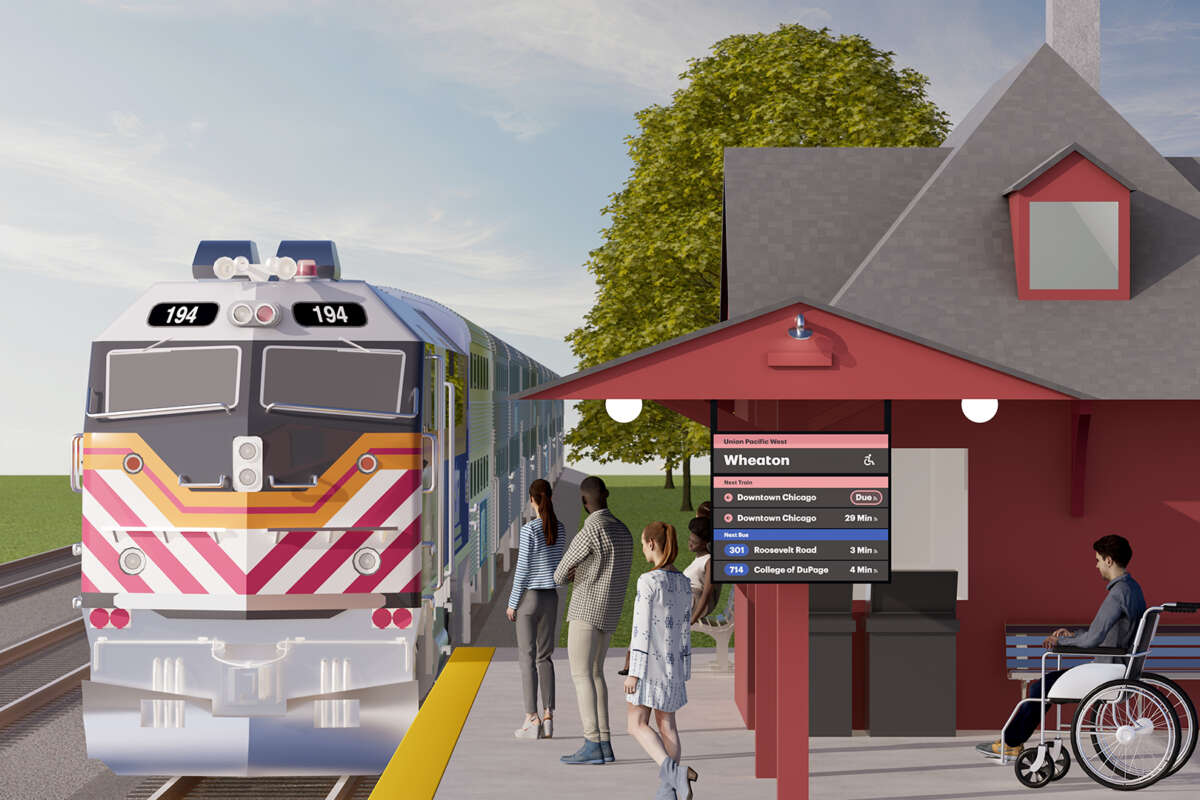
RTA is proposing a historic restructuring of the region’s transit governance to maximize the impact of any new operating funding and ensure all riders experience an improved, reliable, efficient, integrated transit network. This is the second blog in a series exploring the RTA’s proposed governance reforms. These reforms include integrating fares and customer service and setting transit service standards to ensure riders have access to fast, reliable service guaranteed by a single accountable public agency.
On January 15, RTA released Transforming Transit, the agency’s vision for a world-class regional transit system with $1.5 billion in annual operating funding supported by a stronger RTA. While the impending regional operating budget gap is $770 million starting in 2026, independent agencies, including the Chicago Metropolitan Agency for Planning (the region’s designated planning agency for transportation) and advocates agree that $1.5 billion annually is needed from state and local sources to achieve the system riders deserve.
To transform the customer experience, a strengthened RTA would serve as the rider hub for fares and customer service, launching a single, unified regional app and rider hub to ensure access to simple, easy-to-understand fares and discount programs for all riders.
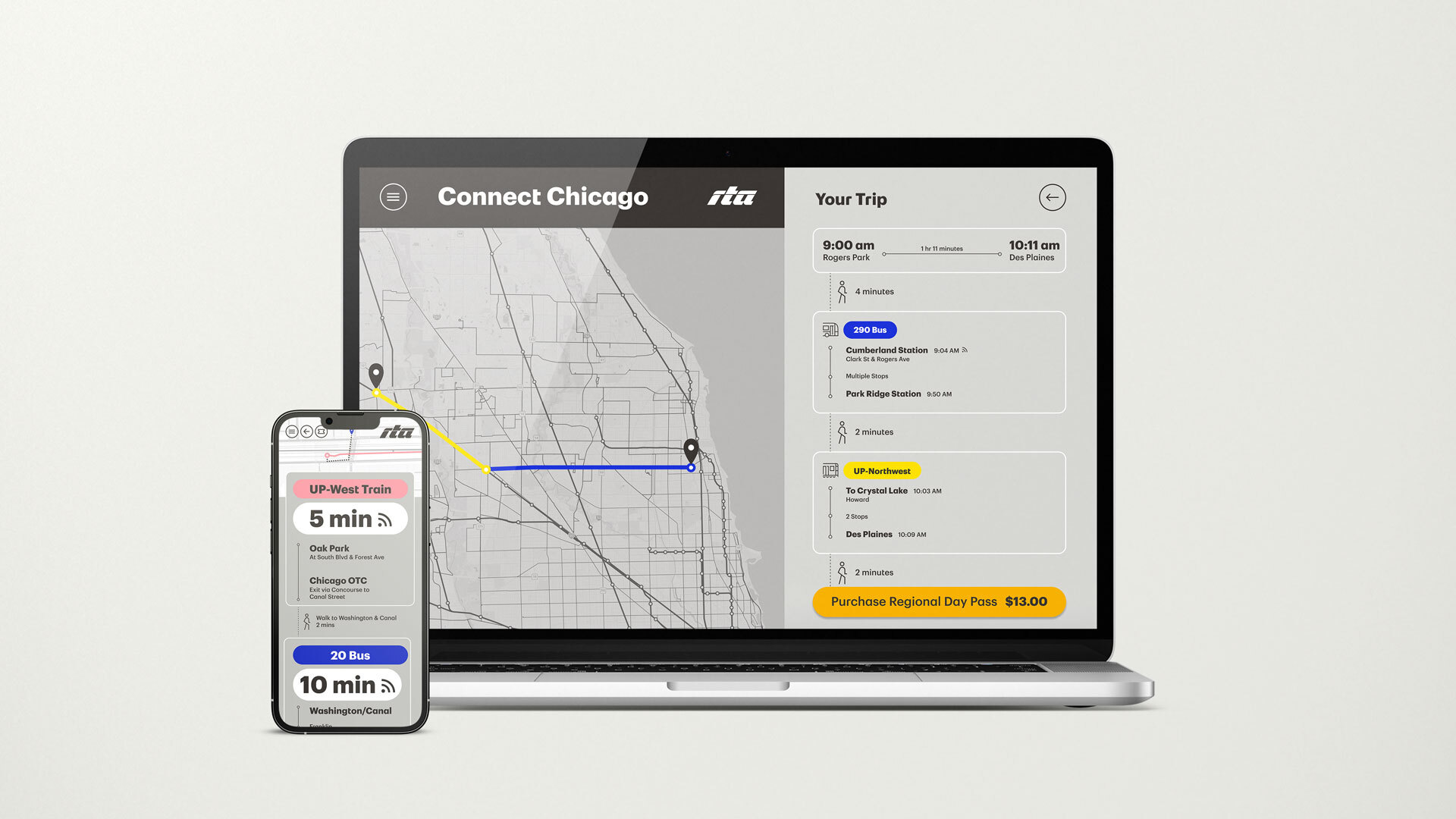
Proposed responsibilities include:
For riders that means only one app to use when paying for fares, transferring modes of transit, or looking for transit information.
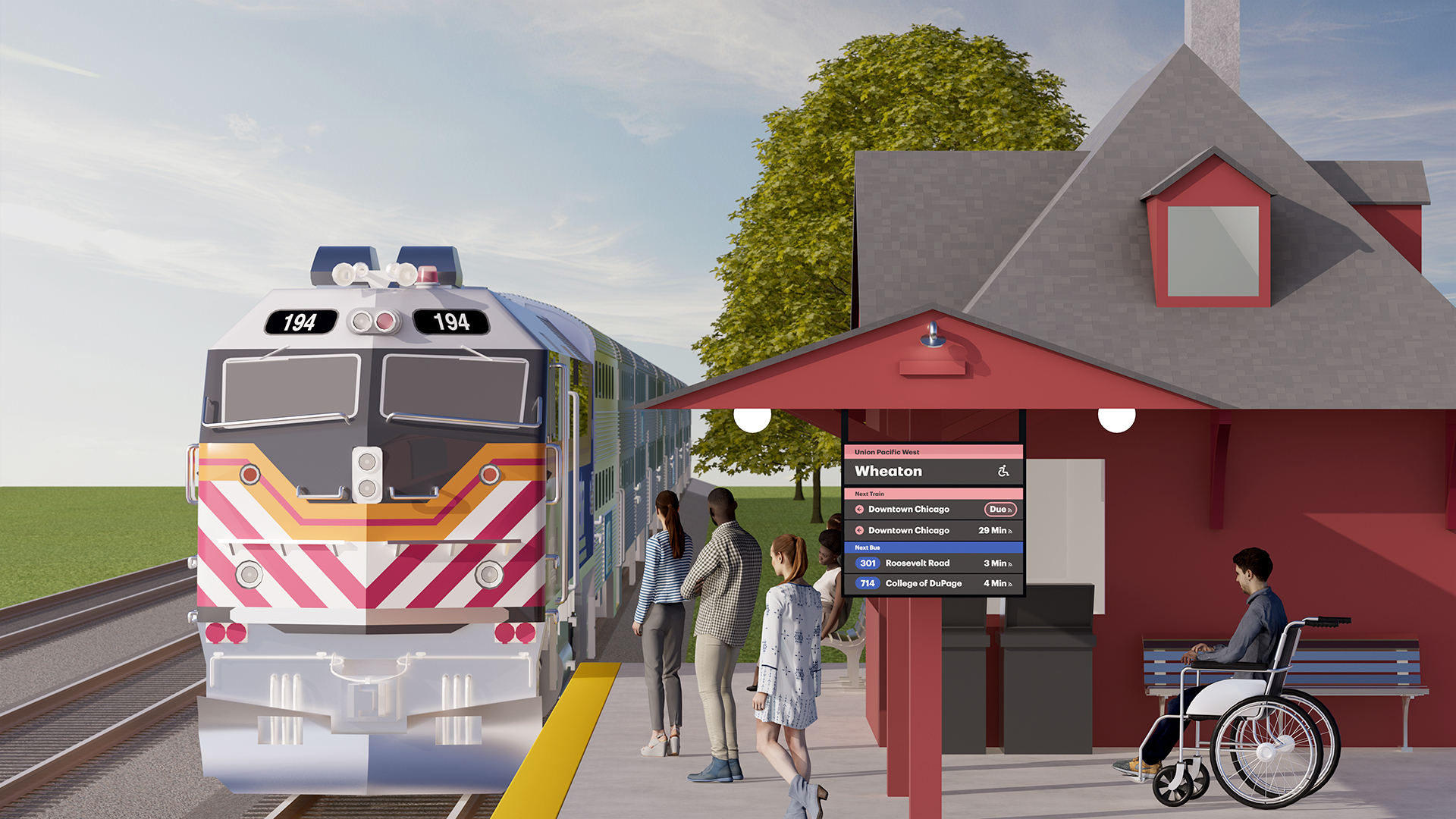
To realize the vision of transforming our system, a strengthened RTA would set minimum performance standards for efficient, reliable, and safe transit services in different parts of the region. These standards would include required levels of coverage, hours, and frequency by mode and geography, and funding would be allocated in part by operators’ ability to deliver service that meets standards. Currently, the CTA, Metra, and Pace set their own schedules and deliver service, typically only reporting to the RTA once a year during budget season. There is very limited accountability built into this current process. But with an RTA empowered to set and enforce service standards, there would be more opportunities throughout the year to address service issues. This coupled with more operations funding could mean cutting wait times for riders by as much as 50%.
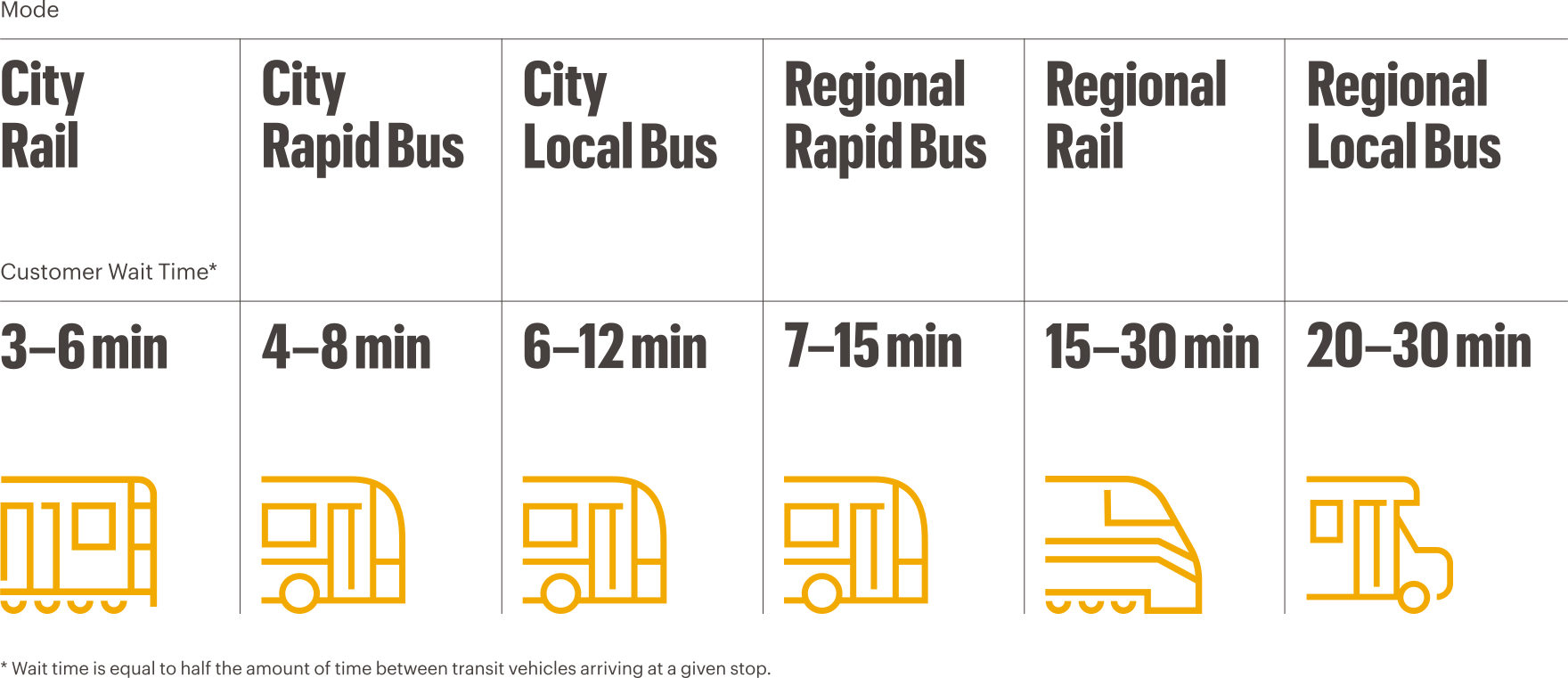
Proposed responsibilities include:
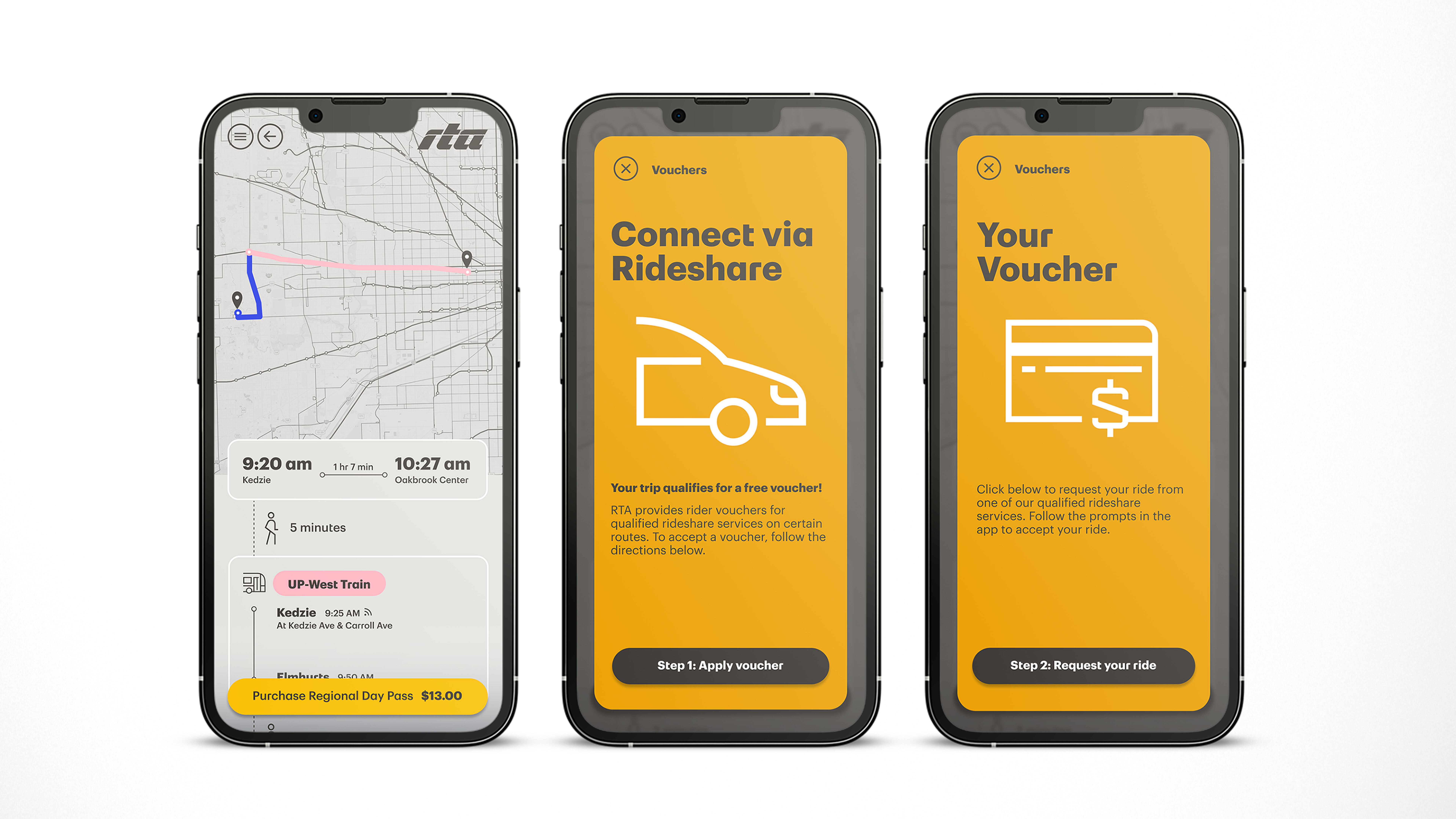
For example, on-demand services could be used to fill last-mile or late-night gaps in service, or riders could call for a subsidized ride from an on-demand service if fixed route bus or train runs are canceled.
More on how a strengthened RTA can achieve a fully integrated transit system without full consolidation of CTA, Metra, and Pace will be explored in future blog posts.
While Transforming Transit envisions service improvements with sustainable investment, Illinois policy makers must reach a transit funding solution by spring 2025 to avoid service cuts of up to 40%. The RTA is working with policy makers at all levels of government to develop sustainable funding solutions and improve the system for all riders. Join the Transit is the Answer Coalition to help bring about the legislative changes needed to support transit at this pivotal moment.
This is the second in a series of blogs exploring the RTA’s proposed governance reforms. Subscribe to the Regional Transit Update newsletter to be notified as the full series is released.
Subscribe to our Newsletter
Related Articles
 NITA launches Rider Advisory Councils, now accepting applications
As NITA builds a unified, rider-focused transit system for the Chicago region, we are inviting riders to help shape that work directly. NITA is now accepting...
September 25, 2026 Ad Hoc Committee on the Transition to NITA issues final report
Between the June 1 effective date of the Northern Illinois Transit Authority (NITA) Act and the September seating and first meeting of the new NITA Board of ...
September 18, 2026 Meet NITA’s first Board Chair and Interim Executive Director
At its first meeting on September 10, the NITA Board of Directors selected two leaders who will help guide the new regional transit agency through its next p...
September 10, 2026 Northern Illinois Transit Authority Begins New Era for Regional Transit
New regional transit authority unifies CTA, Metra and Pace around shared vision for safer, more reliable and better-connected transitThe Northern Illinois Tr...
September 1, 2026 Study lays groundwork for more coordinated regional transit service under NITA
A new regional transit service coordination study will help bridge between current service planning practices and the first Northern Illinois Transit Authori...
August 3, 2026 RTA announces largest Access to Transit program, bringing $11 million of bicycle and pedestrian improvements to stations throughout region
The RTA has selected 21 new projects at a total cost of $10.9 million for its Access to Transit program, making it the largest round of funding in agency his...
June 24, 2026