Kimball Station Area Curb and Mobility Study recommends infrastructure improvements around Albany Park L stop
September 18, 2024
September 18, 2024
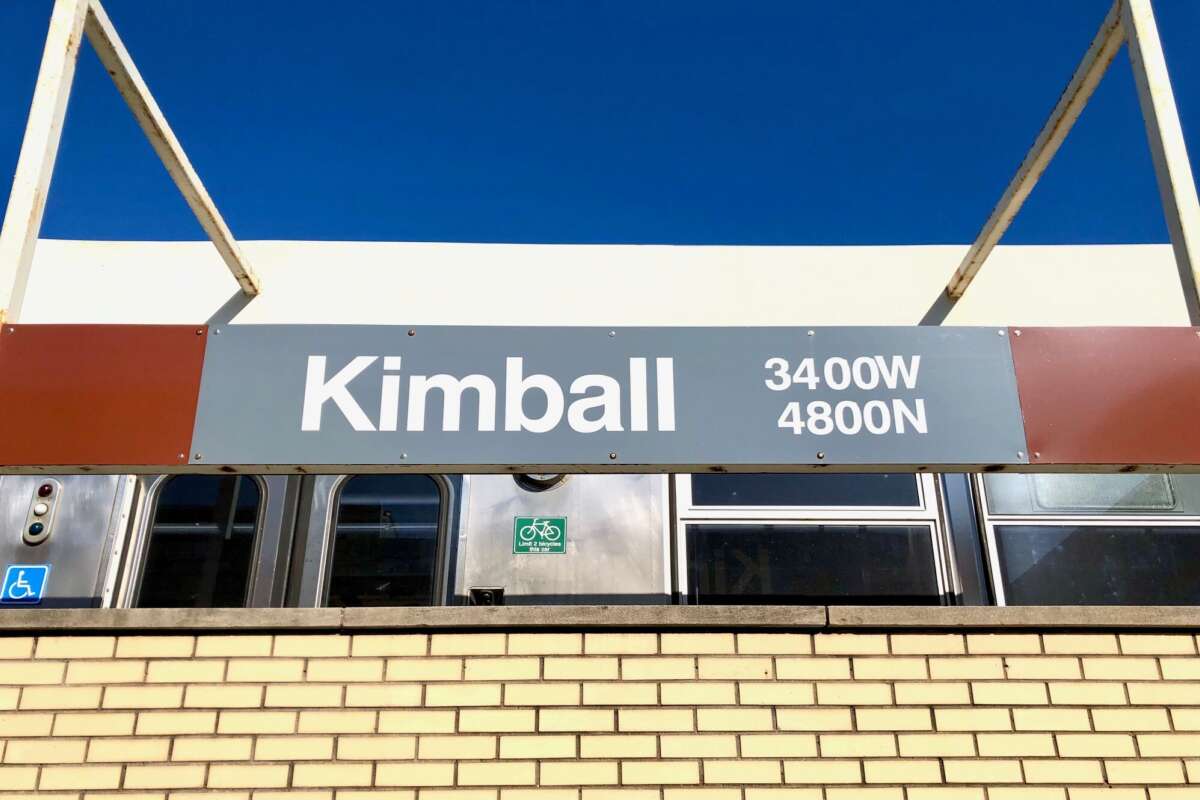
In July, the Kimball Station Area Curb and Mobility Study was completed as part of the RTA’s Community Planning program. The study addresses the CTA Brown Line’s Kimball station area in the Albany Park neighborhood, defined by Lawrence Avenue from St. Louis to Spaulding avenues and Kimball Avenue from Ainslie Street to Wilson Avenue.
The station is a key transportation hub for Chicago’s Northwest Side and the Albany Park community. Nearly 10,000 transit riders either pass through the station or use a bus in the area on an average weekday. Thousands more walk, travel by bicycle, and drive through the area each day—not to mention business deliveries, on-demand package and food deliveries, and parking. And while modes vary, all these users rely on one constrained resource at some point in their journey—the curb. The study aims to accommodate these many competing needs while making transit access the priority and was guided by community and stakeholder engagement and informed by data.
RTA’s Community Planning program provides funding and technical assistance to local governments to help foster growth of sustainable, equitable, walkable, and transit-friendly communities. This curb and mobility study kicked off in spring 2023 and is the first of its kind for the RTA. Funding for the project was split between RTA and the Chicago Department of Planning and Development (DPD) with close collaboration from the Chicago Department of Transportation (CDOT), CTA, the 33rd Ward Office, and the North River Commission (NRC).
The study identifies 22 recommendations to enhance safety, mobility, accessibility, the streetscape and public space, and the success of local businesses. It also presents a strategy for how to pay for and complete the recommendations, highlighting opportunities for both quick wins and long-term success. Key recommendation themes include:
Equitable Community engagement was at the core of the planning process was essential to identifying the specific needs and desires of residents and allowing for the inclusion of diverse cultural perspectives.
Initial input was gathered from station area users on how they get around the study area and ideas for improvements. The planning team did a walk-through of the area, met with community focus groups comprising student leaders and Albany Park residents, attended popular community events, engaged the business community through door-to-door outreach, and collected more than 200 responses to an online survey.
The planning team then gathered community feedback on recommendations for the station area. Transit riders were also engaged directly at the station, Spanish and youth roundtables were hosted, and more than 500 responses to a new online survey were collected.
Read the complete Kimball Station Area Curb and Mobility Study on RTAMS, the RTA’s mapping and statistics website.
Subscribe to our Newsletter
Related Articles
 NITA launches Rider Advisory Councils, now accepting applications
As NITA builds a unified, rider-focused transit system for the Chicago region, we are inviting riders to help shape that work directly. NITA is now accepting...
September 25, 2026 Ad Hoc Committee on the Transition to NITA issues final report
Between the June 1 effective date of the Northern Illinois Transit Authority (NITA) Act and the September seating and first meeting of the new NITA Board of ...
September 18, 2026 Meet NITA’s first Board Chair and Interim Executive Director
At its first meeting on September 10, the NITA Board of Directors selected two leaders who will help guide the new regional transit agency through its next p...
September 10, 2026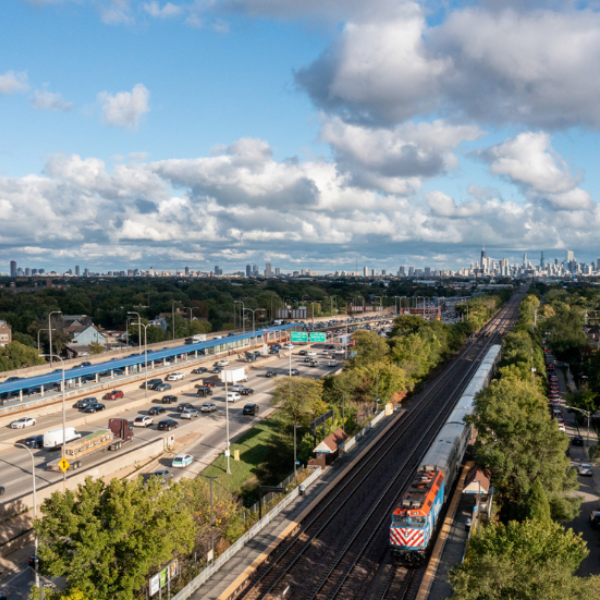 Northern Illinois Transit Authority Begins New Era for Regional Transit
New regional transit authority unifies CTA, Metra and Pace around shared vision for safer, more reliable and better-connected transitThe Northern Illinois Tr...
September 1, 2026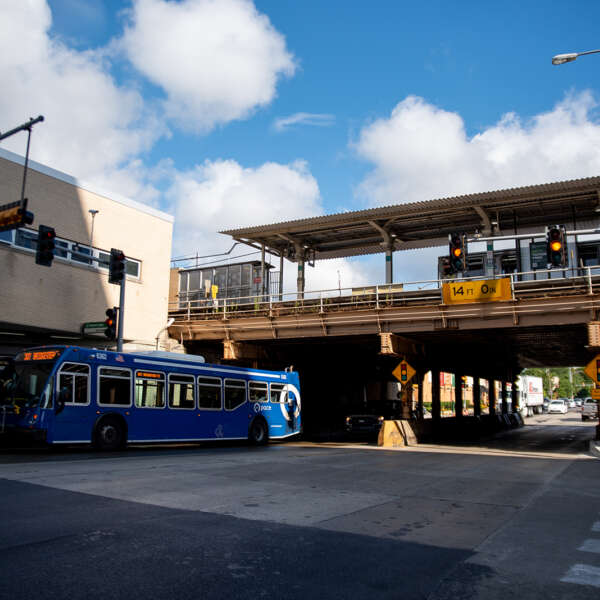 Study lays groundwork for more coordinated regional transit service under NITA
A new regional transit service coordination study will help bridge between current service planning practices and the first Northern Illinois Transit Authori...
August 3, 2026 RTA announces largest Access to Transit program, bringing $11 million of bicycle and pedestrian improvements to stations throughout region
The RTA has selected 21 new projects at a total cost of $10.9 million for its Access to Transit program, making it the largest round of funding in agency his...
June 24, 2026